Essential reading
Wearable Tech in 2025: Health Insights, AI Smart Glasses, and How to Choose the Right Device
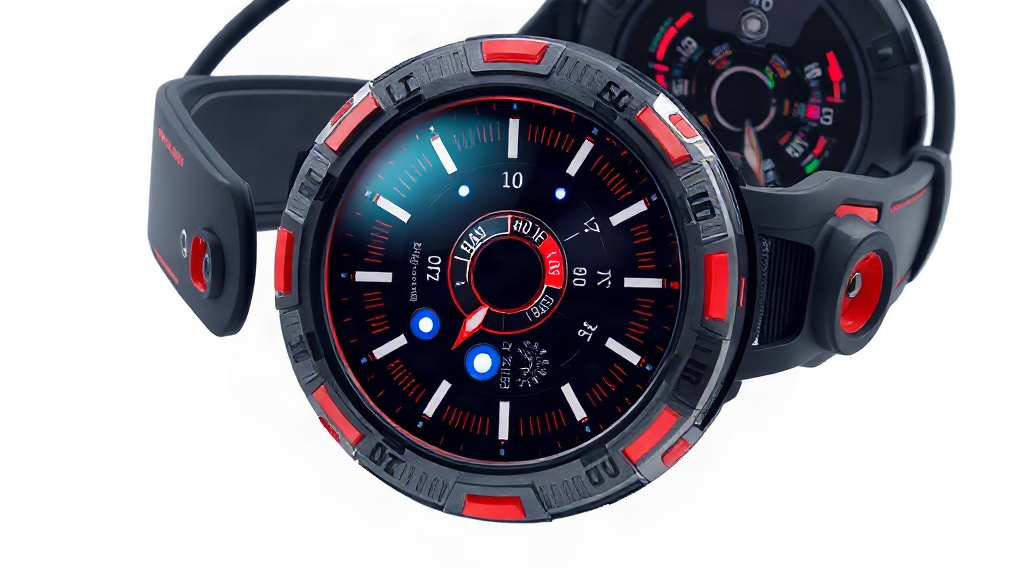
Wearable tech has moved well beyond step counting. Smartwatches, rings, fitness bands, and now smart glasses are turning into everyday companions that track health, handle messages, and respond to voice commands. Recent headlines show two big forces shaping the category: a growing focus on what these devices can reveal about our health, and a fresh race to put AI on our faces.
What Your Wearable Can Actually Tell You
Cancer center experts, including those at MD Anderson, have recently highlighted how much useful information wearables can surface. Most devices today can monitor heart rate, sleep patterns, activity levels, and in many cases blood oxygen and skin temperature. Over weeks and months, those data points form a personal baseline.
That baseline is the real value. A single reading rarely means much, but a sustained change in resting heart rate, a drop in sleep quality, or a dip in daily activity can be an early nudge to pay attention. For people recovering from illness or managing chronic conditions, trend data can also give clinicians a fuller picture between appointments.
Still, wearables are not diagnostic tools. Sensors can be thrown off by a loose fit, motion, or skin tone, and an alert is a prompt to talk with a healthcare professional, not a verdict. Think of the data as a conversation starter rather than a medical answer.
Public Health Groups Are Paying Attention
Wearable technology has become mainstream enough that public health agencies, including the CDC, now publish plain-language facts about it. That reflects how common these devices have become in daily life, from casual fitness tracking to monitoring specific health goals.
The guidance generally centers on a few sensible ideas. Wearables can motivate people to move more and sleep better, but accuracy varies between devices and features. Privacy also matters, because health data is deeply personal. Before you sync everything, check what the app collects, who it shares data with, and how you can delete it.
Smart Glasses Enter the Spotlight
The other major story is the push toward face-worn computing. Reports this week suggest Apple is preparing Siri-powered AI glasses, possibly arriving next year, to compete with Meta's smart eyewear and the Android XR ecosystem. Apple has not confirmed details, so it's wise to treat the specifics as unconfirmed for now.
What makes the competition notable is the shift in what a wearable is for. Instead of a screen on your wrist that you glance at, smart glasses aim to deliver hands-free help: answering questions, capturing photos, translating speech, giving directions, and describing what you're looking at. AI assistants are the key ingredient, because they make voice and camera input genuinely useful rather than gimmicky.
If major platforms all commit to glasses, expect rapid improvements in comfort, battery life, and style. Those are the three hurdles that have held the category back.
How to Choose a Wearable That Fits Your Life
With so many options, a few practical questions help narrow the field:
- What's your main goal? Sleep tracking, workouts, heart health, and notifications each favor different devices. - Which ecosystem do you already use? Compatibility with your phone often determines how smooth the experience feels. - How much will you actually wear it? A comfortable ring or slim band worn nightly can produce better data than a powerful watch left on the charger. - What are the subscription costs? Some platforms lock deeper insights behind monthly fees. - How is your data handled? Look for clear privacy controls and easy export or deletion options.
Where Wearable Tech Is Heading
The direction is clear: devices are getting more personal, more proactive, and more conversational. Health tracking is becoming a long-term habit rather than a novelty, while AI-powered glasses hint at a future where information appears when you need it, without reaching for a phone.
For consumers, the smartest approach is to stay curious but grounded. Use wearable data to build awareness, rely on professionals for medical decisions, and choose devices that earn a place in your routine. The best wearable is the one you'll actually wear, and that remains true whether it sits on your wrist, your finger, or your face.